
कैसे पीटीएफई-लाइन वाले उपकरण रासायनिक संयंत्रों में संक्षारण प्रतिरोध में सुधार करते हैं
रासायनिक संयंत्र हर साल जंग लगे उपकरणों को बदलने में लाखों डॉलर क्यों खर्च करते हैं?
यदि आप रासायनिक प्रसंस्करण, अर्धचालक विनिर्माण, इलेक्ट्रॉनिक रसायन, या विशेष गैस उत्पादन में काम करते हैं, तो आप पहले से ही जानते हैं कि संक्षारण केवल रखरखाव के मुद्दे से कहीं अधिक है। इससे उत्पादन में रुकावट, उत्पाद संदूषण, सुरक्षा खतरे, पर्यावरणीय जोखिम और महत्वपूर्ण वित्तीय नुकसान हो सकता है।
इन वर्षों में, मैंने उन ग्राहकों के साथ मिलकर काम किया है जो सल्फ्यूरिक एसिड, हाइड्रोक्लोरिक एसिड, नाइट्रिक एसिड, हाइड्रोफ्लोरिक एसिड और विभिन्न कार्बनिक सॉल्वैंट्स जैसे आक्रामक रसायनों के कारण उपकरण विफलताओं से जूझ रहे थे। कई मामलों में, पीटीएफई-लाइन वाले उपकरणों पर स्विच करने से उन समस्याओं का समाधान हो गया जिन्हें पारंपरिक सामग्री संभाल नहीं सकती थी।
आज, पीटीएफई-लाइन वाले उपकरण आधुनिक रासायनिक संयंत्रों में सबसे भरोसेमंद संक्षारण प्रतिरोधी समाधानों में से एक बन गए हैं। इस लेख में, मैं बताऊंगा कि पीटीएफई अस्तर कैसे काम करता है, यह बेहतर सुरक्षा क्यों प्रदान करता है, इसका आमतौर पर कहां उपयोग किया जाता है, और रासायनिक निर्माता इसके लाभों को कैसे अधिकतम कर सकते हैं।
रासायनिक संयंत्रों में संक्षारण को समझना
पीटीएफई-लाइन्ड उपकरण क्या है?
पीटीएफई बेहतर संक्षारण प्रतिरोध क्यों प्रदान करता है?
पीटीएफई-लाइन वाले उपकरण बनाम पारंपरिक सामग्री
रासायनिक संयंत्रों में पीटीएफई-लाइन वाले उपकरण के अनुप्रयोग
सही पीटीएफई-लाइन वाले उपकरण का चयन कैसे करें
जिआंगसु जिएक्सिन न्यू मटेरियल एक विश्वसनीय भागीदार क्यों है?
अक्सर पूछे जाने वाले प्रश्नों
औद्योगिक प्रसंस्करण वातावरण में संक्षारण सबसे बड़ी चुनौतियों में से एक है।
रासायनिक संयंत्र नियमित रूप से संभालते हैं:
प्रबल अम्ल
प्रबल क्षार
ऑक्सीकरण एजेंट
संक्षारक गैसें
उच्च तापमान वाले तरल पदार्थ
जब उपकरण की सतहें इन पदार्थों के साथ प्रतिक्रिया करती हैं, तो संक्षारण शुरू हो जाता है।
परिणामों में शामिल हो सकते हैं:
उपकरण का जीवनकाल कम होना
उत्पाद संदूषण
रखरखाव की लागत में वृद्धि
अनियोजित डाउनटाइम
सुरक्षा घटनाएँ
उद्योग संक्षारण अध्ययनों के अनुसार, कई विकसित अर्थव्यवस्थाओं में संक्षारण-संबंधी लागत औद्योगिक सकल घरेलू उत्पाद का लगभग 3-4% है।
रासायनिक निर्माताओं के लिए, संक्षारण को रोकना केवल उपकरणों की सुरक्षा के बारे में नहीं है - यह पूरे ऑपरेशन की सुरक्षा के बारे में है।
पीटीएफई-लाइन वाले उपकरण औद्योगिक उपकरण को संदर्भित करते हैं जो स्टील की यांत्रिक शक्ति को पीटीएफई (पॉलीटेट्राफ्लुओरोएथिलीन) के असाधारण रासायनिक प्रतिरोध के साथ जोड़ते हैं।
संरचना सीधी है:
कार्बन स्टील या स्टेनलेस स्टील संरचनात्मक मजबूती प्रदान करता है।
PTFE अस्तर रसायनों और धातु सतहों के बीच एक सुरक्षात्मक अवरोध पैदा करता है।
यह संयोजन दोनों दुनियाओं का सर्वश्रेष्ठ प्रदान करता है।
सामान्य PTFE-लाइन वाले उपकरण में शामिल हैं:
भंडारण टंकियां
रिएक्टर
पाइप्स
वाल्व
फिटिंग
हीट एक्सचेंजर्स
इवैपोरेटर
स्क्रबर
रसायनों को सीधे धातु से संपर्क करने की अनुमति देने के बजाय, पीटीएफई अस्तर एक निष्क्रिय ढाल के रूप में कार्य करता है।
परिणामस्वरूप, संक्षारण काफी कम हो जाता है या पूरी तरह समाप्त हो जाता है।
पीटीएफई की अनूठी आणविक संरचना इसे उपलब्ध सबसे रासायनिक रूप से स्थिर सामग्रियों में से एक बनाती है।
PTFE लगभग हर औद्योगिक रसायन का प्रतिरोध करता है।
यह इनके विरुद्ध असाधारण रूप से अच्छा प्रदर्शन करता है:
सल्फ्यूरिक एसिड
हाइड्रोक्लोरिक एसिड
नाइट्रिक एसिड
हाइड्रोफ्लोरोइक एसिड
क्लोरीन यौगिक
कार्बनिक विलायक
यह व्यापक अनुकूलता एक कारण है कि पीटीएफई-लाइन वाले उपकरण रासायनिक संयंत्रों में व्यापक रूप से उपयोग किए जाते हैं।
PTFE रसायनों के साथ आसानी से प्रतिक्रिया नहीं करता है।
कई धातुओं के विपरीत, आक्रामक प्रक्रिया मीडिया के संपर्क में आने पर भी यह स्थिर रहता है।
PTFE लगभग 260°C (500°F) तक के तापमान पर लगातार काम कर सकता है।
यह रासायनिक संयंत्रों को कठिन प्रसंस्करण स्थितियों में भी सुरक्षा बनाए रखने की अनुमति देता है।
पीटीएफई रासायनिक प्रवेश को कम करता है और अंतर्निहित इस्पात संरचना की रक्षा करता है।
यह उपकरण सेवा जीवन को काफी हद तक बढ़ाता है।
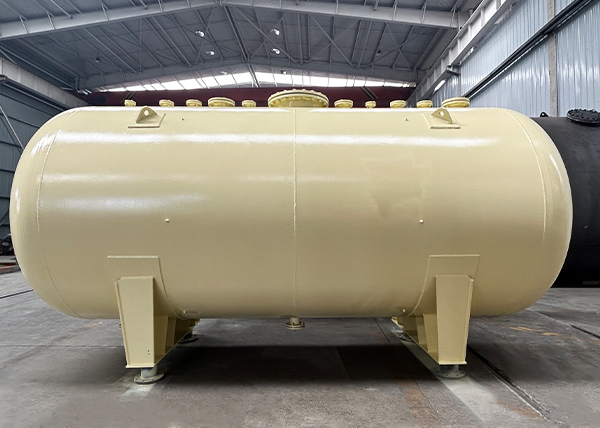
कई खरीदार पूछते हैं कि क्या पीटीएफई-लाइन वाले उपकरण स्टेनलेस स्टील या प्लास्टिक सिस्टम की तुलना में निवेश के लायक हैं।
आइए तुलना करें.
| सामग्री | संक्षारण प्रतिरोध | रासायनिक अनुकूलता | विशिष्ट सेवा जीवन |
|---|---|---|---|
| पीटीएफई-लाइन्ड स्टील | उत्कृष्ट | उत्कृष्ट | 15-25+ वर्ष |
| स्टेनलेस स्टील 316L | मध्यम | मध्यम | 5-15 वर्ष |
| एफआरपी | अच्छा | अच्छा | 8-15 वर्ष |
| पीवीसी | मध्यम | सीमित | 5-10 वर्ष |
| polypropylene | अच्छा | अच्छा | 8-12 वर्ष |
स्रोत: एनएसीई संक्षारण इंजीनियरिंग हैंडबुक और एएसटीएम सामग्री प्रदर्शन संदर्भ।
पीटीएफई-लाइन वाले उपकरण अत्यधिक संक्षारक वातावरण में पारंपरिक सामग्रियों से लगातार बेहतर प्रदर्शन करते हैं।
| रासायनिक | पीटीएफई | स्टेनलेस स्टील | पीवीसी |
|---|---|---|---|
| सल्फ्यूरिक एसिड | उत्कृष्ट | गोरा | अच्छा |
| हाइड्रोक्लोरिक एसिड | उत्कृष्ट | गरीब | अच्छा |
| नाइट्रिक एसिड | उत्कृष्ट | अच्छा | गोरा |
| हाइड्रोफ्लोरिक एसिड | उत्कृष्ट | गरीब | गरीब |
| सोडियम हाइड्रॉक्साइड | उत्कृष्ट | अच्छा | अच्छा |
स्रोत: फ्लोरोपॉलिमर्स और औद्योगिक सामग्रियों के लिए रासायनिक प्रतिरोध गाइड।
डेटा स्पष्ट रूप से दर्शाता है कि क्यों पीटीएफई-लाइन वाले उपकरण गंभीर रासायनिक सेवा के लिए पसंदीदा विकल्प बने हुए हैं।
कई एसिड तेजी से धातु टैंकों पर हमला करते हैं।
पीटीएफई-लाइन वाले भंडारण टैंक में संरचनात्मक अखंडता को संरक्षित करते हुए सुरक्षित रूप से संक्षारक रसायन होते हैं।
पाइपलाइन लगातार आक्रामक प्रक्रिया तरल पदार्थों का परिवहन करती हैं।
PTFE-लाइन वाली पाइपिंग प्रणालियाँ जंग और रिसाव को रोकती हैं।
रासायनिक प्रतिक्रियाओं में अक्सर चरम स्थितियाँ शामिल होती हैं।
पीटीएफई-लाइन वाले रिएक्टर सुरक्षा और प्रक्रिया स्थिरता दोनों बनाए रखते हैं।
पारंपरिक ताप विनिमायक संक्षारण संबंधी विफलताओं से पीड़ित हो सकते हैं।
पीटीएफई-लाइन वाले हीट एक्सचेंजर्स विश्वसनीय थर्मल प्रदर्शन प्रदान करते हैं।
पीटीएफई-लाइन वाले बाष्पीकरणकर्ताओं का व्यापक रूप से उपयोग किया जाता है:
अम्ल सांद्रण
रासायनिक पुनर्चक्रण
अपशिष्ट न्यूनीकरण
कई रासायनिक संयंत्र संक्षारक निकास धाराएँ उत्पन्न करते हैं।
पीटीएफई-लाइन वाले स्क्रबर और अवशोषण टावर स्थायित्व और पर्यावरण अनुपालन में सुधार करते हैं।
| उपकरण प्रकार | आवेदन | मुख्य लाभ |
|---|---|---|
| भंडारण टैंक | एसिड भंडारण | संक्षारण संरक्षण |
| पाइपलाइन | रासायनिक स्थानांतरण | रिसाव निवारण |
| रिएक्टर | रासायनिक संश्लेषण | उपकरण विश्वसनीयता |
| उष्मा का आदान प्रदान करने वाला | गर्मी का हस्तांतरण | लंबी सेवा जीवन |
| बाष्पीकरण करनेवाला | एसिड रिकवरी | बेहतर दक्षता |
| रंडी | निकास उपचार | संक्षारण प्रतिरोध |
स्रोत: रासायनिक प्रसंस्करण परियोजनाओं और फ्लोरोपॉलीमर उपकरण निर्माताओं से उद्योग अनुप्रयोग डेटा।
सभी PTFE-लाइन वाले उपकरण समान मानक पर निर्मित नहीं होते हैं।
यहां वे प्रमुख कारक हैं जिनका मैं मूल्यांकन करने की अनुशंसा करता हूं।
PTFE अस्तर में होना चाहिए:
एकसमान मोटाई
मजबूत आसंजन
कोई दृश्य दोष नहीं
विश्वसनीय वेल्डिंग गुणवत्ता
सक्षम निर्माता चुनें:
कस्टम इंजीनियरिंग
प्रक्रिया अनुकूलन
सिस्टम एकीकरण
अनुभव मायने रखता है, विशेषकर जटिल रासायनिक अनुप्रयोगों के लिए।
सेमीकंडक्टर और इलेक्ट्रॉनिक रसायन उद्योगों की सेवा करने वाले आपूर्तिकर्ता अक्सर सख्त गुणवत्ता मानकों को बनाए रखते हैं।
विश्वसनीय निर्माता प्रदर्शन करते हैं:
दबाव परीक्षण
स्पार्क परीक्षण
मोटाई निरीक्षण
रिसाव परीक्षण
दीर्घकालिक उपकरण प्रदर्शन के लिए तकनीकी सहायता आवश्यक है।
जियांग्सू जिएक्सिन न्यू मटेरियल कंपनी लिमिटेड में, हम पीटीएफई-लाइन वाले उपकरण और प्रक्रिया प्रणाली समाधान में विशेषज्ञ हैं।
2019 में अपनी स्थापना के बाद से, हम दुनिया भर में ग्राहकों की सेवा करने वाले एक पेशेवर निर्माता के रूप में विकसित हुए हैं।
हमारी सुविधाओं में शामिल हैं:
30,000㎡ उत्पादन कार्यशाला
3,500㎡ स्वच्छ कार्यशाला
1,000㎡ उत्पाद अनुसंधान प्रयोगशाला
हमारी टीम में शामिल हैं:
400 से अधिक कर्मचारी
150 से अधिक तकनीकी पेशेवर
हमारे मुख्य उत्पादों में शामिल हैं:
पीटीएफई-लाइन वाले भंडारण टैंक
पीटीएफई पाइपिंग सिस्टम
पीटीएफई वाल्व और फिटिंग
स्टील-लाइन वाले प्लास्टिक परिवहन टैंक
हम इसके लिए संपूर्ण इंजीनियरिंग सेवाएँ भी प्रदान करते हैं:
सेमीकंडक्टर परियोजनाएँ
इलेक्ट्रॉनिक रासायनिक प्रणाली
विशेष गैस प्रणालियाँ
डिस्प्ले पैनल निर्माण
फोटोवोल्टिक उद्योग
वर्षों के तकनीकी विकास के माध्यम से, हमने परिपक्व इंजीनियरिंग क्षमताएं, संपूर्ण प्रक्रिया पैकेज और टर्नकी परियोजना समाधान स्थापित किए हैं जो ग्राहकों को सुरक्षा, दक्षता और विश्वसनीयता में सुधार करने में मदद करते हैं।
हमारे इंजीनियरिंग अनुभव के आधार पर, मैं निम्नलिखित प्रथाओं की अनुशंसा करता हूं:
यहां तक कि अत्यधिक टिकाऊ पीटीएफई-लाइन वाले उपकरणों का भी समय-समय पर निरीक्षण किया जाना चाहिए।
अनुशंसित दबाव और तापमान सीमा के बाहर काम करने से बचें।
सर्वोत्तम प्रदर्शन के लिए पीटीएफई-लाइन वाले वाल्व, फिटिंग और पाइपिंग का एक साथ उपयोग करें।
दीर्घकालिक सफलता के लिए उचित डिज़ाइन और निर्माण महत्वपूर्ण हैं।
स्केलेबल सिस्टम चुनने से भविष्य में अपग्रेड की लागत कम हो सकती है।
उचित परिचालन स्थितियों के तहत, पीटीएफई-लाइन वाले उपकरण अक्सर 15 से 25 वर्ष से अधिक का सेवा जीवन प्रदान करते हैं।
हाँ। पीटीएफई हाइड्रोफ्लोरोइक एसिड के प्रति उत्कृष्ट प्रतिरोध वाली कुछ औद्योगिक सामग्रियों में से एक है।
बिल्कुल। पीटीएफई का उपयोग इसके निष्क्रिय और गैर-दूषित गुणों के कारण अर्धचालक और इलेक्ट्रॉनिक रासायनिक उद्योगों में व्यापक रूप से किया जाता है।
रखरखाव की आवश्यकताएं आम तौर पर पारंपरिक धातु उपकरणों की तुलना में कम होती हैं, हालांकि नियमित निरीक्षण की अभी भी सिफारिश की जाती है।
हालाँकि प्रारंभिक लागत अधिक हो सकती है, कम संक्षारण, कम रखरखाव खर्च और लंबे समय तक सेवा जीवन के परिणामस्वरूप अक्सर कुल स्वामित्व लागत कम हो जाती है।
संक्षारण आज रासायनिक संयंत्रों के सामने सबसे महंगी चुनौतियों में से एक बनी हुई है। सही सामग्रियों का चयन विश्वसनीय उत्पादन और बार-बार परिचालन संबंधी व्यवधानों के बीच अंतर ला सकता है।
पीटीएफई-लाइन वाले उपकरण असाधारण संक्षारण प्रतिरोध, उत्कृष्ट रासायनिक अनुकूलता, लंबी सेवा जीवन और बेहतर प्रक्रिया शुद्धता प्रदान करते हैं। चाहे भंडारण टैंक, रिएक्टर, पाइपिंग सिस्टम, हीट एक्सचेंजर्स, बाष्पीकरणकर्ता, या निकास गैस उपचार उपकरण में उपयोग किया जाता है, पीटीएफई-लाइन समाधान दुनिया के कुछ सबसे अधिक मांग वाले औद्योगिक वातावरणों में सिद्ध सुरक्षा प्रदान करते हैं।
एक पेशेवर पीटीएफई उपकरण निर्माता के रूप में, हम रासायनिक प्रसंस्करण, सेमीकंडक्टर विनिर्माण और इलेक्ट्रॉनिक रासायनिक उद्योगों में ग्राहकों को उन्नत फ्लोरोपॉलीमर तकनीक के माध्यम से सुरक्षित, अधिक कुशल और अधिक विश्वसनीय उत्पादन प्रणाली बनाने में मदद करना जारी रखते हैं।
पता: नंबर 1, जिंगपोहू सड़क, सुसु औद्योगिक क्षेत्र, सुकियान शहर, जियांग्सू प्रांत, चीन
स्यू हाओ: +86 13813955525
स्यू गांग: +86 15189058237
ईमेल: zhaojiguang@jsjcxcl.com.cn


कॉपीराइट © 2023 जियांग्सू जिचुआंग न्यू मटेरियल्स कं, लिमिटेड साइट मैप
यह वेबसाइट यह सुनिश्चित करने के लिए कुकीज़ का उपयोग करती है कि आपको हमारी वेबसाइट पर सर्वोत्तम अनुभव मिले।

 English
 Pусский
 日本語
日本語 한국어
한국어



 Whatsapp
 टेलीफ़ोन
टिप्पणी
(0)