
पीटीएफई-लाइन वाले परिवहन टैंक जंग को कैसे रोकते हैं: औद्योगिक रसद के लिए एक व्यावहारिक इंजीनियरिंग गाइड
क्या आपने कभी सोचा है कि संक्षारक तरल पदार्थों की लंबी दूरी की डिलीवरी के दौरान रासायनिक परिवहन टैंक के अंदर क्या होता है?
रसायन, इलेक्ट्रॉनिक रसायन और सेमीकंडक्टर-संबंधित उद्योगों के साथ काम करने के मेरे अनुभव में, परिवहन अक्सर संपूर्ण प्रक्रिया प्रणाली का सबसे अधिक अनदेखा हिस्सा होता है। जबकि कई कंपनियां उत्पादन उपकरण पर ध्यान केंद्रित करती हैं, वे यह कम आंकते हैं कि भंडारण और परिवहन के दौरान कितना नुकसान हो सकता है।
एसिड, क्षार और विशेष सॉल्वैंट्स जैसे संक्षारक रसायन सिर्फ इसलिए प्रतिक्रिया करना बंद नहीं करते क्योंकि वे पारगमन में हैं। यदि टैंक सामग्री ठीक से डिज़ाइन नहीं की गई है, तो संक्षारण, रिसाव और संदूषण का जोखिम काफी बढ़ जाता है।
यहीं पर PTFE-लाइन वाले परिवहन टैंक महत्वपूर्ण भूमिका निभाते हैं।
इस लेख में, मैं समझाऊंगा कि कैसे पीटीएफई-लाइन वाले परिवहन टैंक जंग को रोकते हैं, वास्तविक औद्योगिक अनुप्रयोगों को साझा करते हैं, वैकल्पिक सामग्रियों की तुलना करते हैं, और वास्तविक इंजीनियरिंग अनुभव के आधार पर व्यावहारिक चयन और रखरखाव मार्गदर्शन प्रदान करते हैं।
इस पेज पर
पीटीएफई-लाइन वाले परिवहन टैंक क्या हैं?
रासायनिक परिवहन में संक्षारण एक गंभीर जोखिम क्यों है?
कैसे PTFE अस्तर जंग को रोकता है
पीटीएफई टैंक बनाम पारंपरिक परिवहन टैंक सामग्री
वास्तविक औद्योगिक परिवहन अनुप्रयोग
मैं पीटीएफई परिवहन टैंक गुणवत्ता का मूल्यांकन कैसे करता हूं
खरीदारों और इंजीनियरों के लिए चयन गाइड
अक्सर पूछे जाने वाले प्रश्नों
पीटीएफई-लाइन वाले परिवहन टैंक विशेष रासायनिक परिवहन कंटेनर हैं जहां आंतरिक सतह को जंग और रासायनिक हमले का विरोध करने के लिए पॉलीटेट्राफ्लुओरोएथिलीन (पीटीएफई) के साथ पंक्तिबद्ध किया जाता है।
मेरी इंजीनियरिंग परियोजनाओं में, इन टैंकों का आमतौर पर उपयोग किया जाता है:
अम्ल परिवहन
क्षार समाधान परिवहन
उच्च शुद्धता रासायनिक वितरण
सेमीकंडक्टर रासायनिक रसद
विशेष विलायक वितरण
मुख्य उद्देश्य सरल है: परिवहन के दौरान रासायनिक शुद्धता सुनिश्चित करते हुए धातु के खोल की रक्षा करना।
बहुत से लोग सोचते हैं कि संक्षारण केवल उत्पादन संयंत्रों में होता है, लेकिन परिवहन वातावरण अक्सर अधिक आक्रामक होते हैं।
तापमान में उतार-चढ़ाव
पारगमन में लंबा भंडारण समय
रासायनिक सान्द्रता बदल जाती है
कंपन और यांत्रिक तनाव
नमी और पर्यावरणीय जोखिम
यदि किसी टैंक को ठीक से संरक्षित नहीं किया जाता है, तो कई जोखिम हो सकते हैं:
आंतरिक क्षरण
संरचनात्मक कमज़ोर होना
रिसाव की घटनाएँ
उत्पाद संदूषण
पर्यावरणीय खतरे
पीटीएफई संक्षारक रसायनों और स्टील टैंक बॉडी के बीच एक सुरक्षात्मक बाधा के रूप में कार्य करता है।
रासायनिक रूप से निष्क्रिय सतह
कोई सीधा धातु संपर्क नहीं
अम्ल और क्षार के प्रति उच्च प्रतिरोध
तापमान भिन्नता के तहत स्थिर प्रदर्शन
व्यवहार में, पीटीएफई-लाइन वाले परिवहन टैंक टैंक के अंदर एक "गैर-प्रतिक्रियाशील ढाल" बनाते हैं।
हाइड्रोक्लोरिक एसिड का परिवहन करने वाले एक ग्राहक को पहले बार-बार टैंक जंग की समस्या का अनुभव हुआ था। पीटीएफई-लाइन वाले टैंकों पर स्विच करने के बाद, संक्षारण संबंधी विफलताएं समाप्त हो गईं।
सामग्री का चयन सीधे सुरक्षा और परिचालन लागत को प्रभावित करता है।
| सामग्री | पीटीएफई-लाइन्ड स्टील | कार्बन स्टील | स्टेनलेस स्टील 316L | एफआरपी टैंक |
|---|---|---|---|---|
| एसिड प्रतिरोध | उत्कृष्ट | गरीब | मध्यम | अच्छा |
| क्षार प्रतिरोध | उत्कृष्ट | गरीब | मध्यम | अच्छा |
| विलायक प्रतिरोध | उत्कृष्ट | मध्यम | मध्यम | मध्यम |
| रिसाव का जोखिम | कम | उच्च | मध्यम | मध्यम |
| सेवा जीवन | लंबा | छोटा | मध्यम | मध्यम |
स्रोत: औद्योगिक रासायनिक परिवहन सुरक्षा अध्ययन और फ्लोरोपॉलीमर उपकरण प्रदर्शन डेटा।
पीटीएफई-लाइन वाले परिवहन टैंक कई उद्योगों में व्यापक रूप से उपयोग किए जाते हैं।
उत्पादन संयंत्रों के बीच मजबूत एसिड का परिवहन किया जाता है।
PTFE टैंकों के साथ परिणाम:
स्थिर रासायनिक अखंडता
संक्षारण जोखिम कम हो गया
बेहतर परिवहन सुरक्षा
अति-शुद्ध रसायनों के लिए संदूषण-मुक्त वितरण की आवश्यकता होती है।
PTFE टैंक सुनिश्चित करते हैं:
कोई धातु आयन संदूषण नहीं
स्थिर शुद्धता स्तर
परिवहन के दौरान उच्च विश्वसनीयता
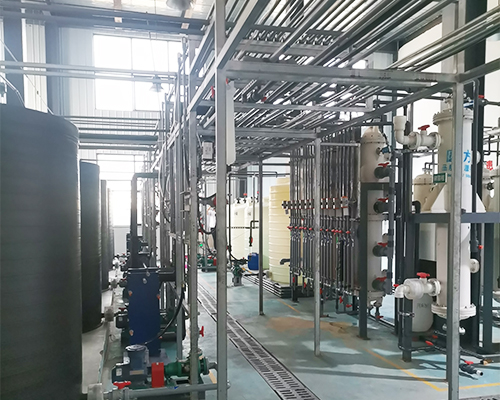
आक्रामक सफाई एजेंट अक्सर मानक टैंकों को नुकसान पहुंचाते हैं।
PTFE-लाइन वाले टैंक प्रदान करते हैं:
लंबे समय तक उपकरण का जीवनकाल
रखरखाव की लागत में कमी
सुरक्षित रसद संचालन
वास्तविक इंजीनियरिंग आकलन में, मैं केवल विशिष्टताओं के बजाय व्यावहारिक प्रदर्शन पर ध्यान केंद्रित करता हूं।
संक्षारण प्रतिरोध के लिए एक सुसंगत PTFE परत महत्वपूर्ण है।
परिवहन कंपन के दौरान कमजोर बॉन्डिंग से प्रदूषण हो सकता है।
बाहरी संरचना को दबाव और सड़क की स्थिति को संभालना होगा।
मैं हमेशा पुष्टि करता हूं:
एसिड प्रतिरोध
क्षार प्रतिरोध
तापमान सहनशीलता
प्रमुख संकेतकों में शामिल हैं:
वेल्डिंग की गुणवत्ता
अस्तर प्रक्रिया स्थिरता
निरीक्षण मानक
| जोखिम कारक | पीटीएफई-लाइन वाले टैंक | स्टेनलेस स्टील टैंक | प्लास्टिक टैंक |
|---|---|---|---|
| संक्षारण जोखिम | बहुत कम | मध्यम | कम |
| यांत्रिक शक्ति | उच्च | उच्च | कम |
| रासायनिक अनुकूलता | बहुत ऊँचा | मध्यम | उच्च |
| परिवहन सुरक्षा | उच्च | मध्यम | मध्यम |
| दीर्घकालिक स्थायित्व | उच्च | मध्यम | कम |
स्रोत: औद्योगिक रासायनिक रसद सुरक्षा रिपोर्ट और सामग्री प्रदर्शन मूल्यांकन।
सही पीटीएफई-लाइन वाले परिवहन टैंक को चुनने के लिए सावधानीपूर्वक मूल्यांकन की आवश्यकता होती है।
समझना:
रासायनिक प्रकार
एकाग्रता
तापमान संवेदनशीलता
विचार करना:
दूरी
अवधि
जलवायु परिस्थितियाँ
सड़क कंपन स्तर
विकल्पों में शामिल हैं:
क्षैतिज परिवहन टैंक
लंबवत परिवहन टैंक
अनुकूलित मॉड्यूलर सिस्टम
इसके लिए महत्वपूर्ण:
खतरनाक रसायन
उच्च शुद्धता वाला मीडिया
पर्यावरण नियम
मेरे क्षेत्र के अनुभव से, परिचालन विवरण अक्सर सुरक्षा परिणाम निर्धारित करते हैं।
टैंकों को अधिक भरने से बचें
परिवहन से पहले उचित सीलिंग सुनिश्चित करें
अस्तर की स्थिति का नियमित रूप से निरीक्षण करें
परिवहन के दौरान तापमान जोखिम को नियंत्रित करें
रसद कर्मियों को ठीक से प्रशिक्षित करें
ये सरल कदम परिवहन-संबंधी विफलताओं को काफी हद तक कम करते हैं।
| कारक | पीटीएफई-लाइन वाले टैंक | पारंपरिक टैंक |
|---|---|---|
| रखरखाव आवृत्ति | कम | उच्च |
| संक्षारण विफलता दर | बहुत कम | उच्च |
| परिवहन सुरक्षा स्तर | उच्च | मध्यम |
| परिचालन लागत (दीर्घकालिक) | निचला | उच्च |
| सेवा जीवन | लंबा | छोटा |
स्रोत: रासायनिक रसद उपकरण जीवनचक्र अध्ययन और औद्योगिक रखरखाव रिकॉर्ड।
आधुनिक रासायनिक रसद में, सुरक्षा और स्थिरता पहले से कहीं अधिक महत्वपूर्ण है।
पीटीएफई-लाइन वाले टैंक व्यापक रूप से अपनाए जाते हैं क्योंकि वे प्रदान करते हैं:
मजबूत संक्षारण संरक्षण
स्थिर रासायनिक अनुकूलता
रिसाव का खतरा कम हो गया
कम जीवनचक्र लागत
बेहतर परिवहन सुरक्षा
जियांग्सू जिएक्सिन न्यू मटेरियल कंपनी लिमिटेड में, मैं उन इंजीनियरिंग टीमों के साथ काम करता हूं जो वैश्विक उद्योगों के लिए पीटीएफई-लाइन वाले परिवहन टैंक डिजाइन और निर्माण करती हैं।
हमारी क्षमताओं में शामिल हैं:
पीटीएफई-लाइन वाले रासायनिक परिवहन टैंक
PTFE-लाइन वाली भंडारण प्रणालियाँ
पीटीएफई-लाइन वाले रिएक्टर और पाइपलाइन
अपशिष्ट गैस उपचार प्रणाली
सेमीकंडक्टर रासायनिक रसद समाधान
विशेष गैस परिवहन प्रणालियाँ
30,000㎡ उत्पादन क्षमता, स्वच्छ कार्यशालाओं और उन्नत इंजीनियरिंग क्षमता के साथ, हम दुनिया भर में उच्च जोखिम वाले रासायनिक परिवहन अनुप्रयोगों के लिए अनुकूलित समाधान प्रदान करते हैं।
वे एसिड, क्षार, सॉल्वैंट्स और उच्च शुद्धता वाले रसायनों के लिए उपयुक्त हैं।
पीटीएफई मजबूत संक्षारण प्रतिरोध और कम संदूषण जोखिम प्रदान करता है।
हाँ, वे कंपन, तापमान परिवर्तन और लंबे पारगमन समय को संभालने के लिए डिज़ाइन किए गए हैं।
उचित रखरखाव के साथ, वे कई वर्षों तक विश्वसनीय रूप से काम कर सकते हैं।
हाँ, उन्हें रासायनिक प्रकार, क्षमता और परिवहन आवश्यकताओं के आधार पर डिज़ाइन किया जा सकता है।
पीटीएफई-लाइन वाले परिवहन टैंक जंग को रोकने और सुरक्षित रासायनिक रसद सुनिश्चित करने में महत्वपूर्ण भूमिका निभाते हैं। धातु संरचना से संक्षारक मीडिया को अलग करके, वे रिसाव के जोखिम को काफी कम करते हैं, परिवहन सुरक्षा में सुधार करते हैं और उपकरण के जीवनकाल को बढ़ाते हैं।
फ्लोरोपॉलीमर उपकरण इंजीनियरिंग में मेरे अनुभव से, जो कंपनियां पीटीएफई-लाइन परिवहन समाधान अपनाती हैं, वे रासायनिक, अर्धचालक और इलेक्ट्रॉनिक रासायनिक उद्योगों में अधिक स्थिर आपूर्ति श्रृंखला, कम रखरखाव लागत और उच्च परिचालन सुरक्षा प्राप्त करती हैं।
पता: नंबर 1, जिंगपोहू सड़क, सुसु औद्योगिक क्षेत्र, सुकियान शहर, जियांग्सू प्रांत, चीन
स्यू हाओ: +86 13813955525
स्यू गांग: +86 15189058237
ईमेल: zhaojiguang@jsjcxcl.com.cn


कॉपीराइट © 2023 जियांग्सू जिचुआंग न्यू मटेरियल्स कं, लिमिटेड साइट मैप
यह वेबसाइट यह सुनिश्चित करने के लिए कुकीज़ का उपयोग करती है कि आपको हमारी वेबसाइट पर सर्वोत्तम अनुभव मिले।

 English
 Pусский
 日本語
日本語 한국어
한국어



 Whatsapp
 टेलीफ़ोन
टिप्पणी
(0)