
अधिकतम प्रदर्शन के लिए पीटीएफई-लाइन्ड उपकरण रखरखाव युक्तियाँ
क्या आपने कभी सोचा है कि क्यों कुछ पीटीएफई-लाइन वाले उपकरण एक दशक से अधिक समय तक विश्वसनीय रूप से काम करते हैं जबकि समान सिस्टम समय से पहले विफलता, लीक या महंगे शटडाउन का अनुभव करते हैं?
रासायनिक प्रसंस्करण, अर्धचालक रसायनों, गीले इलेक्ट्रॉनिक रसायनों और विशेष गैस उद्योगों के लिए पीटीएफई-लाइन वाले उपकरणों के निर्माण और सर्विसिंग के वर्षों के बाद, मैंने सीखा है कि अंतर शायद ही कभी पीटीएफई में होता है। ज्यादातर मामलों में, रखरखाव प्रथाएं यह निर्धारित करती हैं कि उपकरण अपने पूर्ण सेवा जीवन तक पहुंचता है या नहीं।
पीटीएफई-लाइन वाले उपकरण को उसके असाधारण संक्षारण प्रतिरोध, रासायनिक जड़ता और दीर्घकालिक स्थायित्व के लिए दुनिया भर में महत्व दिया जाता है। हालाँकि, यहां तक कि सबसे उन्नत PTFE-लाइन वाले भंडारण टैंक, रिएक्टर, पाइप, वाल्व और कॉलम को अधिकतम प्रदर्शन देने के लिए उचित निरीक्षण और रखरखाव की आवश्यकता होती है।
इस गाइड में, मैं व्यावहारिक रखरखाव रणनीतियों, बचने के लिए सामान्य गलतियों, निरीक्षण कार्यक्रम और सिद्ध तकनीकों को साझा करूंगा जो औद्योगिक सुविधाओं को डाउनटाइम कम करने, सुरक्षा में सुधार करने और उपकरण जीवन का विस्तार करने में मदद करते हैं।
इस पेज पर
पीटीएफई-लाइन वाले उपकरण को विशेष रखरखाव की आवश्यकता क्यों है
पीटीएफई अस्तर क्षति के सामान्य कारण
नियमित निरीक्षण चेकलिस्ट
निवारक रखरखाव सर्वोत्तम प्रथाएँ
रखरखाव दृष्टिकोण की तुलना करना
उपकरण सेवा जीवन को अधिकतम कैसे करें
सही रखरखाव भागीदार चुनना
अक्सर पूछे जाने वाले प्रश्नों
पीटीएफई (पॉलीटेट्राफ्लुओरोएथिलीन) उपलब्ध सबसे अधिक रासायनिक प्रतिरोधी सामग्रियों में से एक है। यह आक्रामक एसिड, क्षार, सॉल्वैंट्स और उच्च शुद्धता वाले रसायनों का सामना करता है जो सामान्य धातुओं को तेजी से नष्ट कर देते हैं।
इन फायदों के बावजूद, PTFE लाइनिंग पूरी तरह से रखरखाव-मुक्त नहीं है।
मेरे अनुभव में, अधिकांश विफलताएँ इसलिए होती हैं क्योंकि ऑपरेटर मानते हैं कि स्थापना के बाद PTFE उपकरण को अनदेखा किया जा सकता है।
सामान्य PTFE-लाइन वाले उपकरण में शामिल हैं:
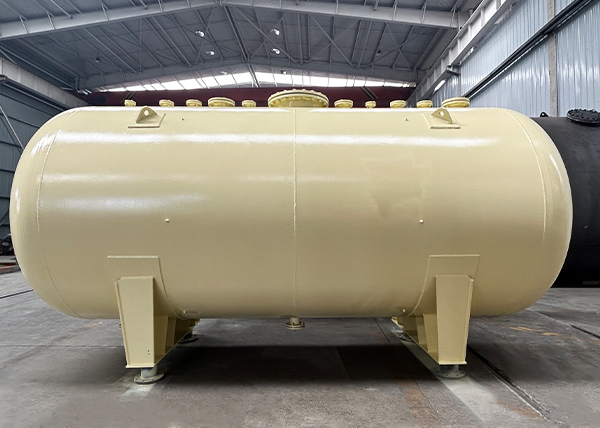
पीटीएफई-लाइन वाले भंडारण टैंक
पीटीएफई-लाइन वाले कॉलम
पीटीएफई-लाइन वाले हीट एक्सचेंजर्स
पीटीएफई-लाइन्ड पाइपिंग सिस्टम
पीटीएफई-लाइन वाली फिटिंग
ये प्रणालियाँ अक्सर चुनौतीपूर्ण परिस्थितियों में काम करती हैं जिनमें शामिल हैं:
उच्च तापमान
दबाव में उतार-चढ़ाव
निर्वात की स्थिति
अपघर्षक कण
बार-बार थर्मल साइकिल चलाना
संक्षारक मीडिया
नियमित रखरखाव से छोटी समस्याओं का पता लगाने में मदद मिलती है, इससे पहले कि वे महंगी विफलताएँ बन जाएँ।
विफलता तंत्र को समझना रोकथाम की दिशा में पहला कदम है।
तेजी से गर्म होने या ठंडा होने से स्टील शेल और पीटीएफई लाइनिंग के बीच तनाव पैदा होता है।
उदाहरण:
एक रासायनिक संयंत्र अचानक ठंडे प्रक्रिया द्रव को एक रिएक्टर में पेश करता है जो ऊंचे तापमान पर काम कर रहा है। बार-बार थर्मल साइकलिंग बंधन को कमजोर कर सकती है और अंततः अस्तर विरूपण का कारण बन सकती है।
पीटीएफई असाधारण रूप से रसायनों का प्रतिरोध करता है लेकिन शारीरिक शोषण से क्षतिग्रस्त हो सकता है।
विशिष्ट उदाहरणों में शामिल हैं:
गिराए गए उपकरण
अनुचित सफाई उपकरण
अत्यधिक बोल्ट कसना
आंतरिक आंदोलनकारी संपर्क
सकारात्मक दबाव के लिए डिज़ाइन किए गए पीटीएफई-लाइन वाले बर्तन अप्रत्याशित वैक्यूम स्थितियों के अधीन होने पर ख़राब हो सकते हैं।
यद्यपि पीटीएफई उत्कृष्ट रासायनिक प्रतिरोध प्रदान करता है, अपघर्षक घोल के निरंतर संपर्क से धीरे-धीरे परत खराब हो सकती है।
खराब निकला हुआ किनारा संरेखण और असमान गैसकेट संपीड़न अक्सर तनाव बिंदु बनाते हैं जो उपकरण जीवन को छोटा करते हैं।
| असफलता का कारण | सापेक्ष आवृत्ति | विशिष्ट परिणाम |
|---|---|---|
| थर्मल शॉक | उच्च | टूटना, विरूपण |
| यांत्रिक क्षति | उच्च | सतही दोष |
| निर्वात स्थितियाँ | मध्यम | अस्तर ढहना |
| घर्षण | मध्यम | मोटाई में कमी |
| स्थापना त्रुटियाँ | उच्च | रिसाव |
| डिज़ाइन सीमा से परे रासायनिक हमला | कम | सामग्री का क्षरण |
स्रोत: फ़्लोरोपॉलीमर-लाइनेड उपकरण निर्माताओं से उद्योग रखरखाव अवलोकन और रासायनिक प्रसंस्करण रखरखाव दिशानिर्देश।
सबसे प्रभावी रखरखाव प्रथाओं में से एक जो मैं सुझाता हूं वह एक संरचित निरीक्षण कार्यक्रम लागू करना है।
ऑपरेटरों को जांच करनी चाहिए:
दृश्यमान लीक
दबाव असामान्यताएं
तापमान विचलन
वाल्व संचालन
असामान्य शोर
निरीक्षण करें:
निकला हुआ किनारा कनेक्शन
पाइप सपोर्ट करता है
विस्तार जोड़
उपकरण कनेक्शन
मूल्यांकन करना:
सतह की स्थिति
पीटीएफई अस्तर अखंडता
बोल्ट टोक़ स्थिरता
बाहरी इस्पात सतहों पर संक्षारण
व्यापक शटडाउन निरीक्षण करें:
आंतरिक दृश्य परीक्षा
स्पार्क परीक्षण (जहाँ लागू हो)
मोटाई माप
संरचनात्मक मूल्यांकन
दस्तावेज़ीकरण समीक्षा
| निरीक्षण आइटम | दैनिक | साप्ताहिक | महीने के | हर साल |
|---|---|---|---|---|
| लीक की जाँच | ✓ | |||
| दबाव की निगरानी | ✓ | |||
| निकला हुआ किनारा निरीक्षण | ✓ | |||
| पाइप समर्थन जांच | ✓ | |||
| अस्तर की स्थिति की समीक्षा | ✓ | |||
| मोटाई परीक्षण | ✓ | |||
| पूर्ण आंतरिक निरीक्षण | ✓ |
स्रोत: रासायनिक प्रसंस्करण सुविधाओं और पीटीएफई-लाइन वाले उपकरण रखरखाव कार्यक्रमों में आमतौर पर अपनाई जाने वाली सर्वोत्तम प्रथाएं।
आपातकालीन मरम्मत की तुलना में निवारक रखरखाव काफी कम खर्चीला है।
मैं हमेशा ग्राहकों को अचानक तापमान परिवर्तन से बचने की सलाह देता हूं।
सर्वोत्तम प्रथाओं में शामिल हैं:
धीरे-धीरे गर्म होना
नियंत्रित शीतलन
प्रक्रिया स्टार्टअप प्रक्रियाएँ
थर्मल मॉनिटरिंग सिस्टम
रखरखाव कर्मियों को प्रशिक्षित करें:
धातु खुरचने वाले औजारों से बचें
गैर-अपघर्षक सफाई उपकरण का प्रयोग करें
उचित प्रवेश प्रक्रियाओं का पालन करें
अधिक कसने से पीटीएफई-लाइन वाले फ्लैंज विकृत हो सकते हैं।
उपयोग:
कैलिब्रेटेड टॉर्क रिंच
क्रॉस-पैटर्न कसने का क्रम
निर्माता टोक़ सिफारिशें
स्थापित करना:
वैक्यूम ब्रेकर
दबाव निगरानी उपकरण
आपातकालीन सुरक्षा प्रणालियाँ
रास्ता:
निरीक्षण रिपोर्ट
मरम्मत का इतिहास
परिचालन तापमान
दबाव चक्र
प्रक्रिया परिवर्तन
विस्तृत रखरखाव रिकॉर्ड वाले पौधे अक्सर विफलता होने से पहले रुझानों की पहचान करते हैं।
सभी रखरखाव रणनीतियाँ समान परिणाम नहीं देतीं।
| कारक | प्रतिक्रियाशील रखरखाव | निवारक रखरखाव |
|---|---|---|
| स्र्कना | उच्च | कम |
| मरम्मत लागत | उच्च | निचला |
| सुरक्षा जोखिम | उच्च | निचला |
| उपकरण जीवन | छोटा | लंबे समय तक |
| उत्पादन स्थिरता | चर | सुसंगत |
| आपातकालीन मरम्मत | अक्सर | दुर्लभ |
स्रोत: रासायनिक प्रसंस्करण सुविधाओं में सामान्य औद्योगिक परिसंपत्ति प्रबंधन अध्ययन और रखरखाव लागत विश्लेषण।
मेरे अनुभव से, निवारक रखरखाव आम तौर पर पीटीएफई-लाइन वाले उपकरण सेवा जीवन को बढ़ाते हुए अप्रत्याशित डाउनटाइम को एक महत्वपूर्ण अंतर से कम कर देता है।
कई खरीदार मुझसे पूछते हैं कि पीटीएफई-लाइन वाले उपकरण कितने समय तक चलने चाहिए।
उत्तर काफी हद तक परिचालन स्थितियों और रखरखाव की गुणवत्ता पर निर्भर करता है।
इससे अधिक कभी नहीं:
डिजाइन तापमान
डिजाइन दबाव
वैक्यूम रेटिंग
रासायनिक अनुकूलता सीमाएँ
ऑपरेटर जागरूकता अक्सर सबसे अधिक अनदेखा किया जाने वाला कारक है।
कर्मचारियों को समझना चाहिए:
स्टार्टअप प्रक्रियाएँ
शटडाउन प्रक्रियाएं
आपातकालीन प्रतिक्रिया
निरीक्षण के तरीके
यहां तक कि अनुभवी संयंत्र कर्मी भी प्रारंभिक चेतावनी संकेतों को भूल सकते हैं।
समय-समय पर विशेषज्ञ निरीक्षण से पहचान की जा सकती है:
छिपे हुए अस्तर दोष
तनाव सांद्रता
पैटर्न पहनें
प्रक्रिया संबंधी जोखिम
जैसे-जैसे सुविधाओं का विस्तार होता है, परिचालन स्थितियाँ अक्सर बदलती रहती हैं।
मूल रूप से एक प्रक्रिया के लिए डिज़ाइन किए गए उपकरण को नई उत्पादन आवश्यकताओं का समर्थन करने के लिए संशोधन की आवश्यकता हो सकती है।
पीटीएफई-लाइन वाले उपकरण आपूर्तिकर्ता या रखरखाव प्रदाता का चयन करते समय, मैं कीमत से अधिक का मूल्यांकन करने की सलाह देता हूं।
एक ऐसे साथी की तलाश करें जिसके साथ:
पीटीएफई इंजीनियरिंग विशेषज्ञता
विनिर्माण क्षमता
मरम्मत सेवाएँ
गुणवत्ता निरीक्षण प्रणाली
सेमीकंडक्टर रसायन उद्योग का अनुभव
टर्नकी परियोजना क्षमताएं
जियांग्सू जिएक्सिन न्यू मटेरियल कंपनी लिमिटेड में, हम पीटीएफई उपकरण निर्माण, प्रक्रिया प्रणाली विकास, इंजीनियरिंग डिजाइन और टर्नकी परियोजना क्षमताओं को जोड़ते हैं। यह हमें ग्राहकों को उनके पीटीएफई-लाइन वाले सिस्टम के पूरे जीवनचक्र के दौरान उपकरण और दीर्घकालिक तकनीकी सहायता प्रदान करने की अनुमति देता है।
इलेक्ट्रॉनिक रसायन, अर्धचालक विनिर्माण, फोटोवोल्टिक उत्पादन और विशेष गैस प्रणालियों जैसे उद्योगों के लिए, पेशेवर रखरखाव समर्थन परिचालन विश्वसनीयता और उपकरण दीर्घायु में काफी सुधार कर सकता है।
दैनिक दृश्य जांच की सिफारिश की जाती है, जबकि व्यापक आंतरिक निरीक्षण आमतौर पर सालाना या नियोजित शटडाउन के दौरान किया जाता है।
हाँ। छोटी-मोटी खराबी को अक्सर योग्य विशेषज्ञों द्वारा ठीक किया जा सकता है। गंभीर क्षति के लिए आंशिक रीलाइनिंग या पूर्ण प्रतिस्थापन की आवश्यकता हो सकती है।
यांत्रिक क्षति और थर्मल शॉक औद्योगिक अनुप्रयोगों में देखे जाने वाले सबसे आम कारणों में से हैं।
हाँ। अपघर्षक उपकरणों और आक्रामक यांत्रिक सफाई विधियों से बचें जो अस्तर को खरोंच या विकृत कर सकते हैं।
उचित संचालन और रखरखाव के साथ, कई पीटीएफई-लाइन वाले टैंक, पाइप, वाल्व और रिएक्टर 10-20 साल या उससे अधिक समय तक सेवा में रहते हैं।
पीटीएफई-लाइन वाले उपकरण अत्यधिक संक्षारक रसायनों को संभालने वाले उद्योगों के लिए एक मूल्यवान निवेश है। हालाँकि, अधिकतम प्रदर्शन प्राप्त करने के लिए उच्च-गुणवत्ता वाले उपकरणों के चयन से कहीं अधिक की आवश्यकता होती है। उचित निरीक्षण, निवारक रखरखाव, ऑपरेटर प्रशिक्षण और पेशेवर तकनीकी सहायता सभी सेवा जीवन को बढ़ाने और परिचालन लागत को कम करने में महत्वपूर्ण भूमिका निभाते हैं।
पीटीएफई-लाइन वाले भंडारण टैंक, रिएक्टर, पाइपिंग सिस्टम, वाल्व और पूर्ण रासायनिक प्रक्रिया प्रतिष्ठानों के साथ काम करने के मेरे अनुभव से, रखरखाव को प्राथमिकता देने वाली सुविधाएं लगातार उच्च विश्वसनीयता, कम डाउनटाइम और निवेश पर अधिक रिटर्न प्राप्त करती हैं।
इस गाइड में उल्लिखित रखरखाव रणनीतियों का पालन करके, औद्योगिक संचालक अपने पीटीएफई-लाइन वाले उपकरणों की सुरक्षा कर सकते हैं, पौधों की सुरक्षा में सुधार कर सकते हैं और दीर्घकालिक प्रदर्शन को अधिकतम कर सकते हैं।
पता: नंबर 1, जिंगपोहू सड़क, सुसु औद्योगिक क्षेत्र, सुकियान शहर, जियांग्सू प्रांत, चीन
स्यू हाओ: +86 13813955525
स्यू गांग: +86 15189058237
ईमेल: zhaojiguang@jsjcxcl.com.cn


कॉपीराइट © 2023 जियांग्सू जिचुआंग न्यू मटेरियल्स कं, लिमिटेड साइट मैप
यह वेबसाइट यह सुनिश्चित करने के लिए कुकीज़ का उपयोग करती है कि आपको हमारी वेबसाइट पर सर्वोत्तम अनुभव मिले।

 English
 Pусский
 日本語
日本語 한국어
한국어



 Whatsapp
 टेलीफ़ोन
टिप्पणी
(0)