
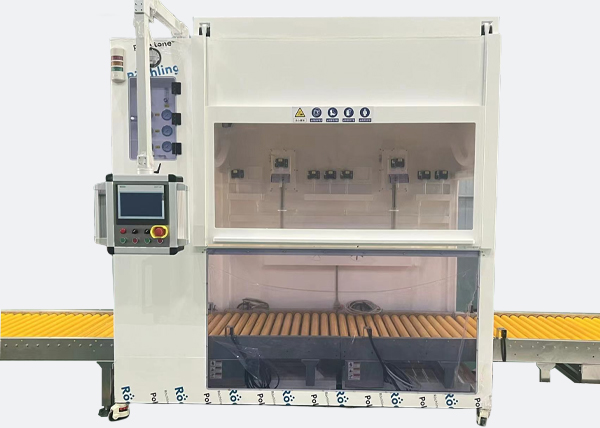
औद्योगिक उपयोग के लिए स्वचालित तरल भरने की मशीन कार्य केंद्र
औद्योगिक उपकरण परियोजनाओं के साथ काम करने के मेरे अनुभव में, उत्पादन में सबसे आम बाधाओं में से एक अभी भी भरने की प्रक्रिया है। चाहे आप रसायनों, कोटिंग्स, या खाद्य-ग्रेड तरल पदार्थों को संभाल रहे हों, मैन्युअल भरने से अक्सर असंगतता, रिसाव का जोखिम और अनावश्यक श्रम लागत होती है।
यहीं पर एक स्वचालित तरल भरने वाली मशीन वर्कस्टेशन आवश्यक हो जाता है। यह केवल एक मशीन नहीं है - यह एक पूर्ण नियंत्रित प्रणाली है जो प्रत्येक भरने के चक्र में सटीकता, सुरक्षा और दोहराव सुनिश्चित करती है।
इस लेख में, मैं आपको बताऊंगा कि यह उपकरण कैसे काम करता है, इसका उपयोग कहां किया जाता है, सही मॉडल कैसे चुनें और वास्तविक उत्पादन वातावरण में वास्तव में कौन से व्यावहारिक कारक मायने रखते हैं।
स्वचालित तरल भरने वाली मशीन वर्कस्टेशन क्या है?
कोर सिस्टम संरचना और कार्य सिद्धांत
विभिन्न क्षेत्रों में औद्योगिक अनुप्रयोग
मैनुअल और सेमी-ऑटोमैटिक सिस्टम के साथ प्रदर्शन तुलना
सही फिलिंग मशीन वर्कस्टेशन कैसे चुनें
औद्योगिक उपयोग से व्यावहारिक संचालन युक्तियाँ
रखरखाव और दीर्घकालिक स्थिरता
अक्सर पूछे जाने वाले प्रश्न
स्वचालित तरल भरने की मशीन वर्कस्टेशन एक एकीकृत औद्योगिक प्रणाली है जिसे स्वचालित रूप से तरल उत्पादों को मापने, नियंत्रित करने और बोतलों, टैंकों या कंटेनरों में भरने के लिए डिज़ाइन किया गया है।
मेरे व्यावहारिक दृष्टिकोण से, इसका सबसे बड़ा मूल्य सरल है:
मैन्युअल फिलिंग बदलें
निरंतरता में सुधार करें
मानवीय त्रुटि कम करें
उत्पादन की गति बढ़ाएँ
बुनियादी भरने वाले उपकरणों के विपरीत, वर्कस्टेशन संस्करण में आमतौर पर कन्वेयर एकीकरण, मल्टी-नोजल फिलिंग हेड और सटीक प्रबंधन के लिए पीएलसी नियंत्रण प्रणाली शामिल होती है।
एक औद्योगिक फिलिंग वर्कस्टेशन में आम तौर पर तीन प्रमुख प्रणालियाँ शामिल होती हैं:
यह प्रणाली भंडारण टैंकों से तरल को भरने वाली इकाई तक पहुंचाती है। इसमें पंप, वाल्व और प्रवाह मीटर शामिल हो सकते हैं।
यह मुख्य अनुभाग है जहां मापा तरल कंटेनरों में डाला जाता है। डिज़ाइन के आधार पर, इसका उपयोग किया जा सकता है:
गुरुत्वाकर्षण भरना
पिस्टन भरना
पंप चालित भराई
आधुनिक मशीनें नियंत्रित करने के लिए पीएलसी + एचएमआई इंटरफेस का उपयोग करती हैं:
मात्रा भरना
रफ़्तार
बैच सेटिंग्स
त्रुटि सचेतक
| सिस्टम प्रकार | सटीकता भरना | गति (बोतलें/मिनट) | श्रम की आवश्यकता |
|---|---|---|---|
| मैन्युअल भरना | ±5% | 10-20 | उच्च |
| अर्द्ध स्वचालित | ±2% | 20-60 | मध्यम |
| स्वचालित कार्य केंद्र | ±0.5% | 60-200 | कम |
मैंने जो वास्तविक औद्योगिक परियोजनाएँ देखी हैं, उनमें इस उपकरण का व्यापक रूप से उपयोग किया जाता है:
एसिड, सॉल्वैंट्स और संक्षारक तरल पदार्थों के लिए उपयोग किया जाता है। स्टेनलेस स्टील + पीटीएफई-लाइन वाले घटकों की अक्सर आवश्यकता होती है।
उच्च परिशुद्धता खुराक सख्त जीएमपी मानकों का अनुपालन सुनिश्चित करती है।
जूस, सॉस, खाद्य तेल और तरल योजकों के लिए उपयोग किया जाता है।
सेमीकंडक्टर और गीले रासायनिक प्रणालियों में, स्थिरता के लिए स्वच्छ और संक्षारण प्रतिरोधी फिलिंग सिस्टम महत्वपूर्ण हैं।
मूल्य को स्पष्ट रूप से समझने के लिए, यहां एक व्यावहारिक तुलना दी गई है:
| विशेषता | मैनुअल सिस्टम | अर्द्ध स्वचालित | स्वचालित कार्य केंद्र |
|---|---|---|---|
| शुद्धता | कम | मध्यम | उच्च |
| उत्पादन गति | कम | मध्यम | बहुत ऊँचा |
| सुरक्षा स्तर | कम | मध्यम | उच्च |
| संचालन लागत | उच्च | मध्यम | कम |
| अनुमापकता | गरीब | मध्यम | उत्कृष्ट |
वास्तविक दुनिया के कारखाने के उन्नयन से, स्वचालित सिस्टम पर स्विच करने से अक्सर श्रम लागत 30-60% कम हो जाती है।
जब मैं ग्राहकों को उपकरण चुनने में मदद करता हूं, तो मैं हमेशा इन पांच प्रमुख बिंदुओं पर ध्यान केंद्रित करता हूं:
चिपचिपापन (पतला या गाढ़ा)
क्षयकारिता
तापमान संवेदनशीलता
छोटे बैच बनाम बड़े पैमाने पर उत्पादन से मशीन कॉन्फ़िगरेशन में महत्वपूर्ण परिवर्तन होता है।
बोतलें, ड्रम, टैंक - सभी को अलग-अलग नोजल डिज़ाइन की आवश्यकता होती है।
उच्च मूल्य वाले रसायनों के लिए सख्त सहनशीलता प्रणाली की आवश्यकता होती है।
संक्षारक उद्योगों के लिए, पीटीएफई, पीएफए, या स्टेनलेस स्टील अस्तर आवश्यक है।
क्षेत्र के अनुभव के आधार पर, यहां कुछ महत्वपूर्ण सुझाव दिए गए हैं:
उत्पादन शुरू होने से पहले हमेशा फ्लो मीटर को कैलिब्रेट करें
रासायनिक पाइपलाइनों में हवा के बुलबुले से बचें
रुकावट से बचने के लिए फिलिंग नोजल को नियमित रूप से साफ करें
फीडिंग सिस्टम में स्थिर दबाव बनाए रखें
आक्रामक रासायनिक वातावरण में जंग-रोधी सील का उपयोग करें
ये छोटी आदतें मशीन के जीवनकाल को महत्वपूर्ण रूप से बढ़ाती हैं।
फिलिंग वर्कस्टेशन "सेट करो और भूल जाओ" प्रणाली नहीं है।
मुख्य रखरखाव प्रथाओं में शामिल हैं:
साप्ताहिक सीलिंग निरीक्षण
मासिक पंप अंशांकन
त्रैमासिक पाइपलाइन सफाई
वार्षिक पीएलसी प्रणाली निदान
रासायनिक उत्पादन वातावरण में, संक्षारण संरक्षण विशेष रूप से महत्वपूर्ण है। पीटीएफई-लाइन वाली पाइपिंग और संक्षारण प्रतिरोधी वाल्व का उपयोग करने से दीर्घकालिक स्थिरता में काफी सुधार हो सकता है।
हां, पीटीएफई या स्टेनलेस स्टील लाइनिंग जैसी उचित सामग्री के चयन के साथ।
उचित रखरखाव के साथ, औद्योगिक उपयोग में 8-12 साल आम है।
हां, मॉड्यूलर सिस्टम को छोटी से लेकर बड़ी उत्पादन लाइनों के लिए स्केल किया जा सकता है।
आधुनिक मॉडल पीएलसी नियंत्रण और उत्पादन प्रणालियों के साथ एकीकरण का समर्थन करते हैं।
अधिकांश ऑपरेटरों के लिए बुनियादी संचालन 1-3 दिनों के भीतर सीखा जा सकता है।
पता: नंबर 1, जिंगपोहू सड़क, सुसु औद्योगिक क्षेत्र, सुकियान शहर, जियांग्सू प्रांत, चीन
स्यू हाओ: +86 13813955525
स्यू गांग: +86 15189058237
ईमेल: zhaojiguang@jsjcxcl.com.cn


कॉपीराइट © 2023 जियांग्सू जिचुआंग न्यू मटेरियल्स कं, लिमिटेड साइट मैप
यह वेबसाइट यह सुनिश्चित करने के लिए कुकीज़ का उपयोग करती है कि आपको हमारी वेबसाइट पर सर्वोत्तम अनुभव मिले।

 English
 Pусский
 日本語
日本語 한국어
한국어



 Whatsapp
 टेलीफ़ोन