
एसिड और क्षार सेवा के लिए उच्च प्रदर्शन पीटीएफई लाइन्ड बॉल वाल्व
जब मैंने पहली बार संक्षारण-प्रतिरोधी पाइपलाइन प्रणालियों के साथ काम करना शुरू किया, तो मुझे तुरंत एक बात का एहसास हुआ: अधिकांश विफलताएं दबाव से नहीं आती हैं, बल्कि वाल्व सामग्री पर रासायनिक हमले से आती हैं।
यही कारण है कि एसिड और क्षार सेवा के लिए उच्च प्रदर्शन पीटीएफई लाइन्ड बॉल वाल्व का रासायनिक उद्योगों में व्यापक रूप से उपयोग किया जाता है। यह सिर्फ एक शट-ऑफ डिवाइस नहीं है - यह संपूर्ण पाइपलाइन प्रणाली के लिए एक दीर्घकालिक सुरक्षा घटक है।
इस लेख में, मैं पीटीएफई लाइन्ड बॉल वाल्व के साथ काम करने का अपना व्यावहारिक अनुभव साझा करूंगा, वे वास्तविक एसिड और क्षार वातावरण में कैसे प्रदर्शन करते हैं, और अपने प्रोजेक्ट के लिए सही कॉन्फ़िगरेशन कैसे चुनें।
पीटीएफई लाइन्ड बॉल वाल्व क्या है?
एसिड और क्षार सेवा के लिए पीटीएफई लाइनिंग महत्वपूर्ण क्यों है?
संरचना और इंजीनियरिंग डिजाइन
औद्योगिक अनुप्रयोग और वास्तविक मामले
पीटीएफई बॉल वाल्व बनाम अन्य वाल्व प्रकार
इंजीनियरों के लिए चयन गाइड
स्थापना और रखरखाव युक्तियाँ
अक्सर पूछे जाने वाले प्रश्न
एसिड और क्षार सेवा के लिए एक उच्च प्रदर्शन पीटीएफई लाइन्ड बॉल वाल्व एक क्वार्टर-टर्न वाल्व है जिसे पीटीएफई-लाइनेड सीलिंग संरचना के साथ घूमने वाली बॉल का उपयोग करके संक्षारक द्रव प्रवाह को नियंत्रित या बंद करने के लिए डिज़ाइन किया गया है।
सामान्य शर्तों में:
यह आपको वाल्व बॉडी को नुकसान पहुंचाए बिना रासायनिक प्रवाह को सुरक्षित रूप से शुरू या रोकने की सुविधा देता है।
मेरे इंजीनियरिंग अनुभव से, ये वाल्व आमतौर पर इसमें स्थापित किए जाते हैं:
रासायनिक स्थानांतरण पाइपलाइन
रिएक्टर इनलेट/आउटलेट सिस्टम
भंडारण टैंक डिस्चार्ज लाइनें
अम्ल/क्षार खुराक प्रणाली
पीटीएफई (पॉलीटेट्राफ्लुओरोएथिलीन) का व्यापक रूप से उपयोग किया जाता है क्योंकि यह संक्षारक मीडिया और धातु भागों के बीच एक रासायनिक बाधा परत की तरह व्यवहार करता है।
एसिड के प्रति मजबूत प्रतिरोध (HCl, H₂SO₄, HNO₃)
क्षार समाधानों में स्थिर प्रदर्शन
कम घर्षण वाली सीलिंग सतह
आक्रामक परिस्थितियों में लंबी सेवा जीवन
वास्तविक संयंत्र परिवेश में, मैंने देखा है कि पीटीएफई लाइनिंग बिना लाइन वाले धातु वाल्वों की तुलना में वाल्व जीवन को 3-5 गुना बढ़ा देती है।
एसिड और क्षार सेवा के लिए एक विशिष्ट उच्च प्रदर्शन पीटीएफई लाइन्ड बॉल वाल्व में शामिल हैं:
वाल्व बॉडी (कार्बन स्टील या स्टेनलेस स्टील)
पीटीएफई अस्तर परत
सटीक गेंद तत्व
सीट सीलिंग प्रणाली
स्टेम और एक्चुएटर इंटरफ़ेस
| पैरामीटर | विशिष्टता रेंज | स्रोत |
|---|---|---|
| तापमान की रेंज | -20°C से 180°C | पीटीएफई सामग्री पुस्तिका |
| दाब मूल्यांकन | 0.6-2.5 एमपीए | औद्योगिक वाल्व मानक एचजी/टी |
| अस्तर सामग्री | पीटीएफई/पीएफए/एफईपी | फ़्लोरोपॉलीमर उद्योग डेटा |
| रिसाव वर्ग | एएनएसआई कक्षा VI | वाल्व सीलिंग मानक |
यह संरचना एक ही समय में यांत्रिक शक्ति + रासायनिक अलगाव सुनिश्चित करती है।
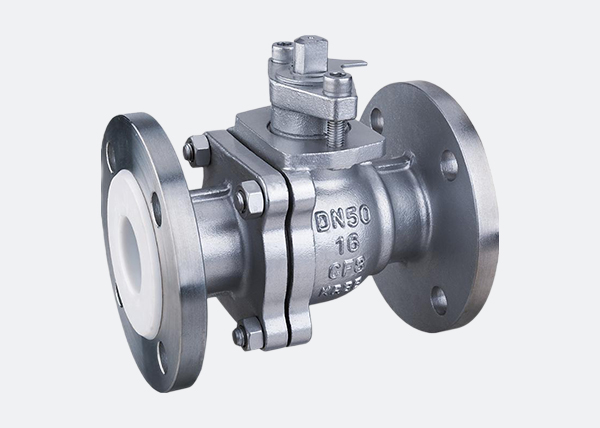
मेरी क्षेत्रीय परियोजनाओं में, इस वाल्व का व्यापक रूप से उपयोग किया जाता है:
गीला रासायनिक प्रसंस्करण प्रणाली
सेमीकंडक्टर सफाई लाइनें
फार्मास्युटिकल प्रतिक्रिया पाइपलाइन
एसिड भंडारण और स्थानांतरण स्टेशन
अपशिष्ट जल निराकरण प्रणाली
एक रासायनिक संयंत्र उन्नयन परियोजना में, रबर-सीटेड वाल्वों को पीटीएफई लाइन वाले बॉल वाल्वों से बदलने से पहले वर्ष के भीतर रिसाव की घटनाओं में 70% से अधिक की कमी आई, मुख्य रूप से रासायनिक प्रतिरोध में सुधार के कारण।
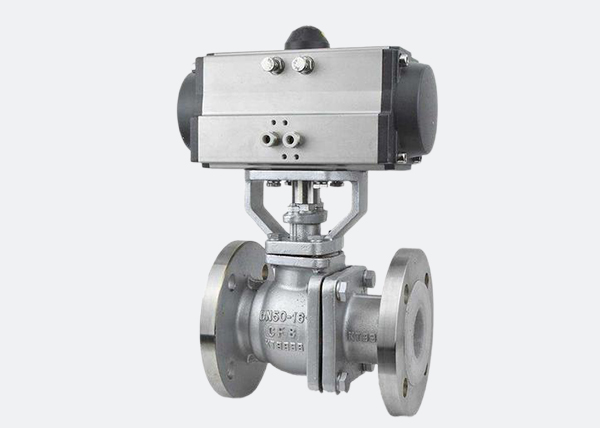
चयन को आसान बनाने के लिए, यहां एक व्यावहारिक तुलना दी गई है:
| वाल्व प्रकार | संक्षारण प्रतिरोध | जीवनकाल | रखरखाव | सर्वोत्तम अनुप्रयोग |
|---|---|---|---|---|
| पीटीएफई पंक्तिबद्ध बॉल वाल्व | उत्कृष्ट | 8-15 वर्ष | कम | प्रबल अम्ल/क्षार |
| स्टेनलेस स्टील बॉल वाल्व | मध्यम | 5-8 वर्ष | मध्यम | सामान्य तरल पदार्थ |
| रबर सील वाल्व | न्यून मध्यम | 3-5 वर्ष | उच्च | हल्के रसायन |
(स्रोत: संयुक्त औद्योगिक क्षेत्र डेटा और निर्माता विनिर्देश)
मेरे दृष्टिकोण से, कठोर रासायनिक वातावरण के लिए PTFE अस्तर सबसे विश्वसनीय विकल्प है।
जब मैं ग्राहकों को एसिड और क्षार सेवा के लिए उच्च प्रदर्शन पीटीएफई लाइन्ड बॉल वाल्व चुनने में मदद करता हूं, तो मैं हमेशा इन कारकों पर ध्यान केंद्रित करता हूं:
रासायनिक संरचना (अम्ल/क्षार सांद्रता)
तापमान रेंज आपरेट करना
सिस्टम दबाव स्तर
प्रवाह नियंत्रण आवश्यकता
मैनुअल या स्वचालित क्रियान्वयन
एक सामान्य गलती जो मैं देखता हूं वह दीर्घकालिक संक्षारण प्रभाव को नजरअंदाज करते हुए केवल प्रारंभिक लागत के आधार पर वाल्व चुनना है।
अगर गलत तरीके से स्थापित किया जाए तो सबसे अच्छा वाल्व भी विफल हो सकता है।
कसने से पहले फ्लैंज संरेखण सुनिश्चित करें
पीटीएफई सीलिंग सतहों को अधिक जोर से दबाने से बचें
पहले ऑपरेशन से पहले पाइपलाइन को फ्लश करें
समय-समय पर स्टेम सीलिंग की जाँच करें
उच्च घर्षण स्थितियों के तहत शुष्क संचालन से बचें
ज्यादातर मामलों में, पीटीएफई लाइन वाले बॉल वाल्वों को बहुत कम रखरखाव की आवश्यकता होती है, लेकिन नियमित निरीक्षण दीर्घकालिक स्थिरता सुनिश्चित करता है।
हाँ, वे विशेष रूप से मजबूत अम्ल और क्षार वातावरण के लिए डिज़ाइन किए गए हैं।
सिस्टम डिज़ाइन के आधार पर आमतौर पर 180°C तक।
हां, उनमें वायवीय या इलेक्ट्रिक एक्चुएटर्स लगाए जा सकते हैं।
गलत स्थापना या रासायनिक बेमेल।
मेरे इंजीनियरिंग अनुभव से, एसिड और क्षार सेवा के लिए उच्च प्रदर्शन पीटीएफई लाइन्ड बॉल वाल्व रासायनिक पाइपलाइन नियंत्रण के लिए सबसे विश्वसनीय समाधानों में से एक है।
यह न केवल सुरक्षा और संक्षारण प्रतिरोध में सुधार करता है बल्कि रखरखाव लागत और डाउनटाइम को भी काफी कम कर देता है - जिससे यह आधुनिक रासायनिक प्रसंस्करण प्रणालियों में एक मुख्य घटक बन जाता है।
पता: नंबर 1, जिंगपोहू सड़क, सुसु औद्योगिक क्षेत्र, सुकियान शहर, जियांग्सू प्रांत, चीन
स्यू हाओ: +86 13813955525
स्यू गांग: +86 15189058237
ईमेल: zhaojiguang@jsjcxcl.com.cn


कॉपीराइट © 2023 जियांग्सू जिचुआंग न्यू मटेरियल्स कं, लिमिटेड साइट मैप
यह वेबसाइट यह सुनिश्चित करने के लिए कुकीज़ का उपयोग करती है कि आपको हमारी वेबसाइट पर सर्वोत्तम अनुभव मिले।

 English
 Pусский
 日本語
日本語 한국어
한국어



 Whatsapp
 टेलीफ़ोन