
उन्नत रासायनिक पाइपलाइन इंजीनियरिंग के लिए संक्षारण प्रतिरोधी पीएफए टी पाइप फिटिंग
फ़्लोरोपॉलीमर पाइपिंग सिस्टम के साथ काम करने के वर्षों में, मैंने एक सरल सत्य देखा है: एक पाइपलाइन केवल अपने सबसे कमजोर कनेक्शन के समान ही विश्वसनीय होती है।
कई इंजीनियर पंप, वाल्व या रिएक्टर पर ध्यान केंद्रित करते हैं - लेकिन अक्सर पीएफए टी पाइप फिटिंग जैसे छोटे घटकों को नजरअंदाज कर देते हैं, जो चुपचाप प्रवाह वितरण, दबाव संतुलन और सिस्टम स्थिरता को नियंत्रित करता है।
आक्रामक एसिड, अति-शुद्ध रसायनों, या उच्च तापमान वाले तरल पदार्थों के साथ काम करते समय, सही टी फिटिंग चुनना वैकल्पिक नहीं है - यह महत्वपूर्ण है। इसीलिए मैं उन्नत रासायनिक पाइपलाइन इंजीनियरिंग के लिए संक्षारण प्रतिरोधी पीएफए टी पाइप फिटिंग के साथ अपने व्यावहारिक अनुभव को साझा करना चाहता हूं, जिसमें वास्तविक उपयोग के मामले, तुलना और चयन युक्तियां शामिल हैं।
पीएफए टी पाइप फिटिंग क्या है?
रासायनिक प्रणालियों में पीएफए के भौतिक लाभ
वास्तविक औद्योगिक अनुप्रयोग और उपयोग के मामले
पीटीएफई और पीवीडीएफ टी फिटिंग के साथ तुलना
सही पीएफए टी पाइप फिटिंग का चयन कैसे करें
फ़ील्ड अनुभव से इंस्टालेशन युक्तियाँ
अक्सर पूछे जाने वाले प्रश्न: पीएफए टी पाइप इंजीनियरिंग प्रश्न
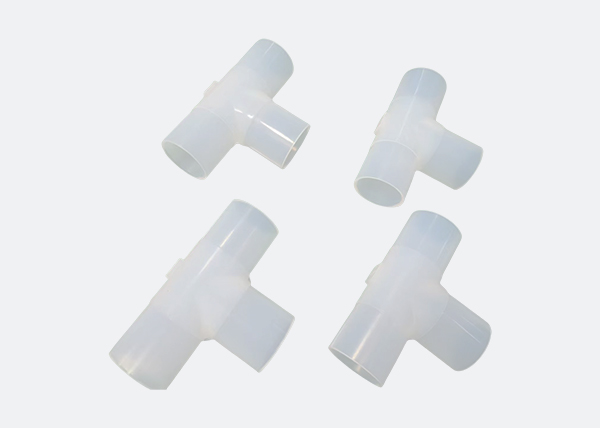
पीएफए टी पाइप फिटिंग एक तीन-तरफा पाइपलाइन कनेक्टर है जो पेरफ्लूरोअल्कोक्सी (पीएफए) फ्लोरोपॉलीमर सामग्री से बना है। इसका मुख्य कार्य सरल है: पाइपलाइन प्रणाली के अंदर द्रव प्रवाह को विभाजित या संयोजित करना।
मेरे क्षेत्र के अनुभव से, इसका सबसे अधिक उपयोग किया जाता है:
रासायनिक वितरण प्रणाली
उच्च शुद्धता वाले द्रव नेटवर्क
अम्ल और क्षार स्थानांतरण रेखाएँ
सेमीकंडक्टर गीली प्रक्रिया पाइपलाइन
धातु फिटिंग के विपरीत, यह द्रव को संक्षारित, स्केल या दूषित नहीं करता है।
पीएफए सिर्फ एक और प्लास्टिक नहीं है - यह चरम वातावरण के लिए इंजीनियर किया गया एक उच्च-स्तरीय फ्लोरोपॉलीमर है।
| संपत्ति | पीएफए टी | पीटीएफई टी | पीवीडीएफ टी | स्रोत |
|---|---|---|---|---|
| रासायनिक प्रतिरोध | उत्कृष्ट | उत्कृष्ट | अच्छा | फ्लोरोपॉलीमर हैंडबुक (एएसटीएम-आधारित डेटा) |
| लगातार तापमान | 260°C तक | 250°C तक | 150°C तक | निर्माता तकनीकी डेटाशीट |
| शुद्धता स्तर की उपयुक्तता | अति उच्च | उच्च | मध्यम | सेमीकंडक्टर सामग्री मानक |
| FLEXIBILITY | उच्च | मध्यम | मध्यम | औद्योगिक पॉलिमर संदर्भ डेटा |
वास्तविक परियोजनाओं में, मैं हमेशा पीएफए की अनुशंसा करता हूं जब शुद्धता और दीर्घकालिक स्थिरता दोनों की आवश्यकता होती है।
मुझे यह बताने दीजिए कि मैं व्यक्तिगत रूप से पीएफए टी फिटिंग का सबसे अधिक उपयोग कहां देखता हूं:
अति-स्वच्छ वातावरण में उपयोग किया जाता है जहां सूक्ष्म-संदूषण भी मायने रखता है।
विशेष रूप से सल्फ्यूरिक एसिड, हाइड्रोक्लोरिक एसिड और हाइड्रोजन पेरोक्साइड सिस्टम।
जहां रासायनिक स्थिरता और स्वच्छता मानक सख्त हैं।
नक़्क़ाशी और द्रव वितरण नेटवर्क की सफाई में उपयोग किया जाता है।
एक वास्तविक मामले जिस पर मैंने काम किया, उसमें एक रासायनिक संयंत्र द्वारा पीवीडीएफ टीज़ को पीएफए टीज़ से प्रतिस्थापित करना शामिल था। इसका परिणाम यह हुआ कि एक वर्ष के भीतर रिसाव की घटनाओं में 70% से अधिक की कमी आई।
इंजीनियरों को तेजी से निर्णय लेने में मदद करने के लिए, मैं अक्सर इस तरह संक्षेप में बताता हूं:
| वस्तु | पीएफए टी | पीटीएफई टी | पीवीडीएफ टी | स्रोत |
|---|---|---|---|---|
| थर्मल साइक्लिंग के तहत स्थायित्व | उत्कृष्ट | अच्छा | मध्यम | फ़ील्ड रखरखाव डेटा |
| प्रवाह निरीक्षण के लिए पारदर्शिता | हाँ | नहीं | हाँ | उत्पाद डिज़ाइन विशिष्टताएँ |
| स्थापना लचीलापन | उच्च | मध्यम | उच्च | इंजीनियरिंग स्थापना रिपोर्ट |
| दीर्घकालिक लागत दक्षता | उच्च | मध्यम | मध्यम | औद्योगिक जीवनचक्र विश्लेषण |
मुख्य निष्कर्ष: पीएफए शुद्धता, मजबूती और प्रक्रिया स्थिरता के बीच सर्वोत्तम संतुलन प्रदान करता है।
जब मैं ग्राहकों का मार्गदर्शन करता हूं, तो मैं हमेशा पांच व्यावहारिक चयन बिंदुओं पर ध्यान केंद्रित करता हूं:
जांचें कि क्या द्रव में मजबूत ऑक्सीडाइज़र या एसिड शामिल हैं।
पीएफए उच्च तापमान वाले निरंतर प्रवाह प्रणालियों में सर्वश्रेष्ठ प्रदर्शन करता है।
सुनिश्चित करें कि टी फिटिंग सिस्टम डिज़ाइन दबाव से मेल खाती है।
सेमीकंडक्टर-ग्रेड सिस्टम को अल्ट्रा-क्लीन पीएफए सामग्री की आवश्यकता होती है।
सॉकेट, बट-वेल्ड, या फ़्लैंज-प्रकार को पाइपलाइन डिज़ाइन से मेल खाना चाहिए।
इनमें से किसी भी क्षेत्र में गलती से सिस्टम का जीवन काफी कम हो सकता है।
यहां तक कि सबसे अच्छी पीएफए टी पाइप फिटिंग भी गलत तरीके से स्थापित होने पर विफल हो सकती है। मेरे ऑन-साइट अनुभव के आधार पर, मैं अनुशंसा करता हूं:
जोड़ने से पहले हमेशा पाइप के सिरों को साफ करें
स्थापना के दौरान अधिक कसने से बचें
तनाव एकाग्रता को रोकने के लिए संरेखण बनाए रखें
उचित वेल्डिंग तापमान नियंत्रण का प्रयोग करें
स्थापना के बाद दबाव परीक्षण करें
एक ठीक से स्थापित प्रणाली अक्सर रखरखाव के हस्तक्षेप के बिना वर्षों तक चलती है।
हां, पीएफए बेहतर प्रसंस्करण स्थिरता और बेहतर यांत्रिक शक्ति प्रदान करता है।
हाँ, वे मजबूत अम्ल और क्षार वातावरण के लिए डिज़ाइन किए गए हैं।
सेमीकंडक्टर, रासायनिक प्रसंस्करण, फार्मास्यूटिकल्स और इलेक्ट्रॉनिक्स उद्योग।
स्थिर परिस्थितियों में, वे न्यूनतम गिरावट के साथ कई वर्षों तक विश्वसनीय रूप से काम कर सकते हैं।
मेरे व्यावहारिक इंजीनियरिंग अनुभव से, उन्नत रासायनिक पाइपलाइन इंजीनियरिंग के लिए संक्षारण प्रतिरोधी पीएफए टी पाइप फिटिंग सिर्फ एक कनेक्टर नहीं है - यह एक सिस्टम विश्वसनीयता घटक है।
जब सही ढंग से चयनित और स्थापित किया जाता है, तो यह प्रवाह स्थिरता में सुधार करता है, रिसाव के जोखिम को कम करता है, और संपूर्ण पाइपलाइन प्रणाली की सेवा जीवन को बढ़ाता है।
आधुनिक रासायनिक इंजीनियरिंग में, इस तरह के छोटे घटक अक्सर यह निर्धारित करते हैं कि कोई सिस्टम सुचारू रूप से चलता है या लगातार रखरखाव की आवश्यकता होती है।
पता: नंबर 1, जिंगपोहू सड़क, सुसु औद्योगिक क्षेत्र, सुकियान शहर, जियांग्सू प्रांत, चीन
स्यू हाओ: +86 13813955525
स्यू गांग: +86 15189058237
ईमेल: zhaojiguang@jsjcxcl.com.cn


कॉपीराइट © 2023 जियांग्सू जिचुआंग न्यू मटेरियल्स कं, लिमिटेड साइट मैप
यह वेबसाइट यह सुनिश्चित करने के लिए कुकीज़ का उपयोग करती है कि आपको हमारी वेबसाइट पर सर्वोत्तम अनुभव मिले।

 English
 Pусский
 日本語
日本語 한국어
한국어



 Whatsapp
 टेलीफ़ोन