
 English
 Pусский
 日本語
日本語 한국어
한국어
संक्षारण प्रतिरोधी पाइप फिटिंग
Corrosion resistant pipe fittings are essential components used in piping systems where long-term durability, reliability, and protection against chemical or environmental damage are required. These fittings are designed to connect, redirect, branch, or terminate pipes while maintaining the integrity of the entire system under demanding operating conditions. They are widely used in industries such as water treatment, chemical processing, oil and gas, marine engineering, food and beverage production, pharmaceuticals, power generation, and construction.The primary purpose of corrosion resistant pipe fittings is to prevent degradation caused by exposure to moisture, acids, alkalis, salts, solvents, and other corrosive substances. Traditional metal fittings can weaken over time when exposed to these elements, leading to leaks, contamination, reduced pressure performance, and costly maintenance. By contrast, corrosion resistant fittings are manufactured from materials specifically selected for their ability to withstand harsh environments. Common materials include stainless steel, alloy steel, brass with protective treatment, PVC, CPVC, PVDF, PTFE, and other specialized polymers or coated metals. The choice of material depends on the type of fluid being transported, the temperature range, pressure requirements, and the surrounding environment.One of the main advantages of corrosion resistant pipe fittings is their extended service life. Because they resist rust, oxidation, and chemical attack, they reduce the frequency of replacement and repair. This not only lowers maintenance costs but also improves system safety and operational efficiency. In critical applications, a failure in a pipe fitting can lead to production downtime, environmental hazards, or serious safety risks. Using corrosion resistant fittings helps minimize these problems and ensures more stable performance over time.These fittings are available in many forms, including elbows, tees, reducers, couplings, unions, caps, nipples, and flanges. Each type serves a specific function in the piping network. For example, elbows change the direction of flow, tees split or combine flow paths, reducers connect pipes of different diameters, and flanges allow easy assembly and disassembly of pipeline sections. Regardless of type, the common feature is their ability to maintain structural strength and sealing performance in corrosive conditions.In addition to resistance to corrosion, many of these fittings also offer excellent mechanical strength, temperature stability, and compatibility with a wide range of fluids. Some are lightweight and easy to install, which can reduce labor time and transportation costs. Others are designed for high-pressure or high-temperature systems where performance must remain stable under extreme conditions. Surface treatments and coatings may further enhance resistance, especially in applications involving saltwater or outdoor exposure.Proper selection, installation, and maintenance are important to maximize the benefits of corrosion resistant pipe fittings. Engineers and technicians must consider chemical compatibility, operating pressure, temperature, and environmental conditions before choosing a fitting. Even the best material can fail if it is improperly installed or used outside its intended range. Regular inspection also helps identify wear, mechanical damage, or seal deterioration before serious problems occur.Overall, corrosion resistant pipe fittings play a vital role in modern piping systems. Their ability to resist damage, improve reliability, and support safe and efficient operation makes them indispensable in many industries. As industrial processes continue to demand higher performance and longer service life, the importance of these fittings will continue to grow.
उत्पाद
वर्गीकरण:
-
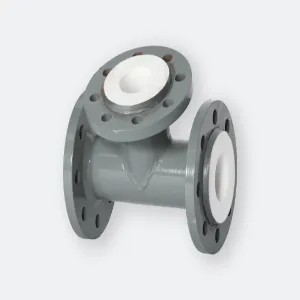
कार्बन स्टील फ़्लोरोपॉलीमर-लाइन वाली टीज़
उनका वर्गीकरण: पीटीएफई फिटिंग और वाल्वदृश्य: 234संख्या:रिलीज का समय: 2026-06-08 14:11:17कार्बन स्टील फ़्लोरोपॉलीमर-लाइन वाली टीज़ को संक्षारक रासायनिक और औद्योगिक पाइपिंग प्रणालियों के लिए इंजीनियर किया जाता है, जिनके लिए यांत्रिक शक्ति और बेहतर रासायनिक प्रतिरोध दोनों की आवश्यकता होती है। पीटीएफई, पीएफए, एफईपी, या ईटीएफई फ्लोरोपॉलीमर लाइनिंग के साथ एक टिकाऊ कार्बन स्टील बाहरी बॉडी का संयोजन, ये टीज़ एसिड, क्षार, सॉल्वैंट्स और उच्च तापमान मीडिया के खिलाफ उत्कृष्ट सुरक्षा प्रदान करते हैं। इनका व्यापक रूप से रासायनिक प्रसंस्करण, दवा निर्माण, अर्धचालक उत्पादन और पेट्रोकेमिकल सुविधाओं में द्रव वितरण, मिश्रण, मोड़ और संग्रह के लिए उपयोग किया जाता है। लंबी सेवा जीवन, कम रखरखाव आवश्यकताओं और विश्वसनीय प्रवाह नियंत्रण प्रदर्शन के साथ, कार्बन स्टील फ्लोरोपॉलीमर-लाइनेड टीज़ औद्योगिक अनुप्रयोगों की मांग के लिए एक लागत प्रभावी समाधान प्रदान करती हैं। -
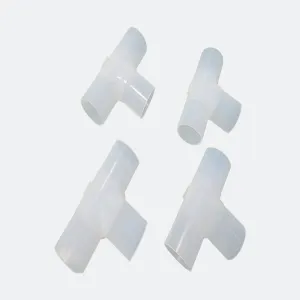
उन्नत रासायनिक पाइपलाइन इंजीनियरिंग के लिए संक्षारण प्रतिरोधी पीएफए टी पाइप फिटिंग
उनका वर्गीकरण: टेट्राफ्लुओरोएथिलीन उत्पाददृश्य: 615संख्या:रिलीज का समय: 2026-06-08 17:01:47संक्षारण प्रतिरोधी पीएफए टी पाइप फिटिंग उच्च प्रदर्शन वाले फ्लोरोपॉलीमर घटक हैं जिन्हें उन्नत रासायनिक पाइपलाइन इंजीनियरिंग के लिए डिज़ाइन किया गया है। प्रीमियम पीएफए सामग्री से निर्मित, वे मजबूत एसिड, क्षार और उच्च तापमान वाले तरल पदार्थों के लिए उत्कृष्ट प्रतिरोध प्रदान करते हैं, जिससे स्थिर प्रवाह वितरण और दीर्घकालिक सिस्टम विश्वसनीयता सुनिश्चित होती है। सेमीकंडक्टर निर्माण, रासायनिक प्रसंस्करण, फार्मास्युटिकल उत्पादन और उच्च शुद्धता वाले तरल प्रणालियों में व्यापक रूप से उपयोग की जाने वाली ये फिटिंग रिसाव जोखिम और रखरखाव लागत को कम करने में मदद करती हैं। पीटीएफई और पीवीडीएफ विकल्पों की तुलना में, पीएफए टी पाइप फिटिंग बेहतर स्थायित्व, शुद्धता और थर्मल स्थिरता प्रदान करती है, जिससे वे सुरक्षित और कुशल द्रव नियंत्रण की आवश्यकता वाले आधुनिक औद्योगिक पाइपलाइन नेटवर्क के लिए एक आवश्यक समाधान बन जाते हैं।
समाचार
वर्गीकरण:
कोई खोज परिणाम नहीं!
मामला
वर्गीकरण:
कोई खोज परिणाम नहीं!
वीडियो
वर्गीकरण:
कोई खोज परिणाम नहीं!
डाउनलोड
वर्गीकरण:
कोई खोज परिणाम नहीं!
भरती
वर्गीकरण:
कोई खोज परिणाम नहीं!
अनुशंसित उत्पादों
कोई खोज परिणाम नहीं!



 Whatsapp
 टेलीफ़ोन